


Physical and mental health Benefits of Paddling
- Andrew Rasmus

- Feb 4
- 3 min read
Updated: Feb 16
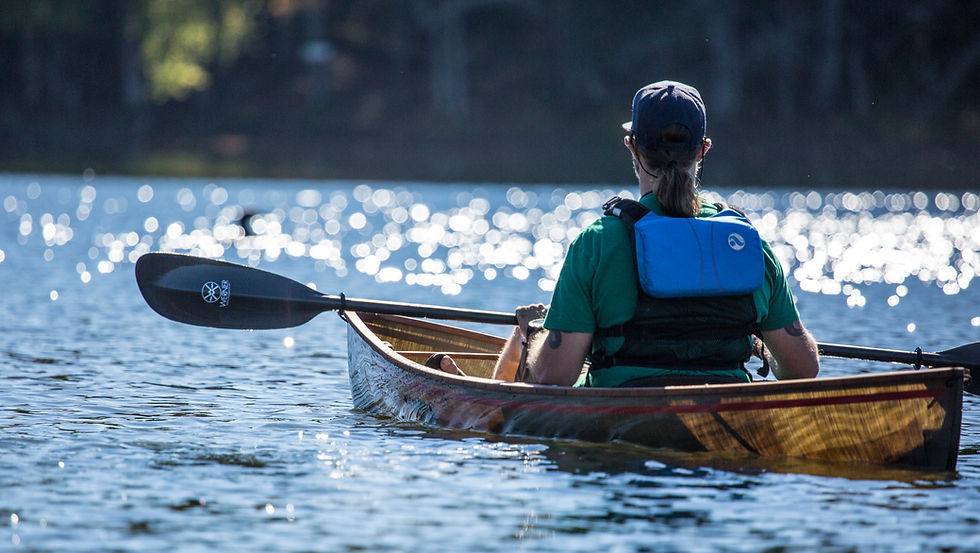
Have you ever considered paddling as a way to stay physically fit and mentally healthy? Regular exercise is essential for overall wellness, and paddling—whether canoeing or kayaking—is a low-impact, full-body workout that delivers powerful physical and mental health benefits. Best of all, it gets you outdoors, on the water, and away from screens.
Physical Benefits of Paddling
Weight Management
Paddling at a steady pace of 4–5 mph can burn 400+ calories per hour, depending on the paddler. Spend an afternoon on the water and you may burn well over 1,500 calories, while enjoying fresh air and scenery instead of a treadmill.
Stronger Core Muscles
A strong core is essential for balance and control on the water. Each paddle stroke engages your lower back, abdominals, and obliques. Proper posture and technique improve efficiency, comfort, and overall stability while paddling.
Increased Upper-Body Strength
Paddling builds strength and muscle tone in your arms, shoulders, chest, and back. While your arms power the stroke, supporting muscles work together to create smooth, efficient movement—resulting in greater strength the more often you paddle.
Improved Cardiovascular Health
Paddling is an excellent form of cardio exercise. It increases heart rate, improves circulation, and strengthens the heart muscle. Regular paddling supports better endurance, oxygen delivery, and long-term heart health.
Toned Legs and Core
As your technique improves, you’ll engage your legs and hips to stabilize, turn, and brace the boat. This full-body engagement leads to better rotation, more powerful strokes, and noticeable muscle tone over time.
Greater Endurance and Energy
Consistent paddling improves stamina and overall energy levels. Paddling just three times per week can increase energy by up to 20%, helping you stay active and energized in everyday life.
Mental Health Benefits of Paddling
Improved Mood and Reduced Stress
Paddling releases serotonin, dopamine, and endorphins—natural chemicals that elevate mood and reduce stress. Time on the water is calming and meditative, helping quiet mental noise and improve emotional well-being.
Better Sleep Quality
Physical activity during the day helps you fall asleep faster and sleep more deeply. Regular paddling promotes more restful sleep and better recovery.
Sharper Focus and Mental Clarity
The same neurotransmitters that boost mood also improve focus and attention. Getting out for a paddle can reset your mind, making it easier to concentrate and stay productive afterward.
Find Your Perfect Fit
At Hornbeck Boats, we help you find the ultralight canoe that fits your body, paddling style, and goals—so you can fully enjoy the physical and mental health benefits of paddling. When your boat fits properly, every stroke is more comfortable, efficient, and rewarding.


Sources
Benefits of Paddling in the Adirondacks — Adirondack Region official site on paddling benefits, including low-impact activity and overall fitness. Benefits of Paddling in the Adirondacks
https://www.bendingbranches.com/blogs/resources/how-canoeing-makes-you-healthier
Health Benefits of Low-Impact Paddling Activities — Discussion of cardiovascular, strength, and joint benefits from paddling and canoe sports. Canoeing & Kayaking Health Benefits
Balance, Coordination, and Physical Benefits of Canoeing — Enhanced balance and proprioception from regular canoeing. Benefits of Canoeing for Physical and Mental Health
Hornbeck Boats builds ultralight canoes designed to make wilderness waters simple to reach and effortless to enjoy. Born in the Adirondacks and refined through decades of backcountry use, Hornbeck canoes prioritize ease of carry, intuitive handling, and quiet efficiency over excess features or performance hype.
Our boats are made for paddlers who value access over adrenaline, solitude over spectacle, and time on the water over time wrestling gear. By removing unnecessary weight and complication, Hornbeck opens more days, more lakes, and more years of paddling—especially for solo trippers, older paddlers, and anyone who believes getting to the water should be as enjoyable as being on it.


Comments